


Kaizuya Himi Udon Guide | Thin, Thick & Unique Varieties

Thin, thick, extra-thin — Kaizuya's Himi udon comes in several different varieties.
Although they share the tradition of Himi udon, differences in noodle thickness create different textures and ways to enjoy each product.
This time, we introduce the varieties of Himi udon made by Kaizuya and explore how their characteristics differ.
Himi udon that can be enjoyed both warm and cold
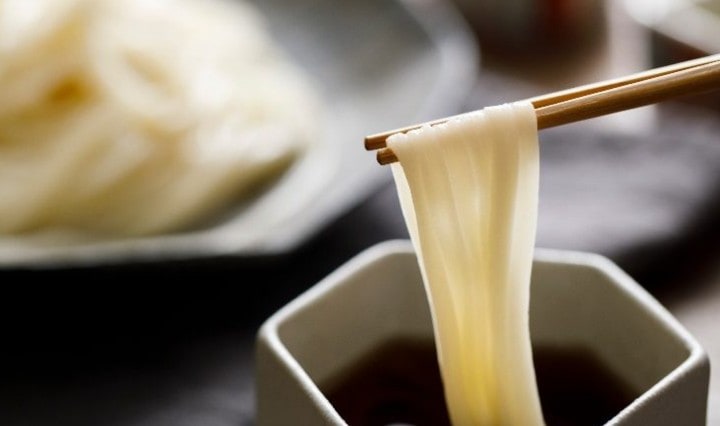
Kaizuya describes its Himi udon as a carefully made noodle that is delicious whether served warm or cold.
That versatility makes it possible to enjoy the noodles differently depending on the season, recipe, and preferred texture.
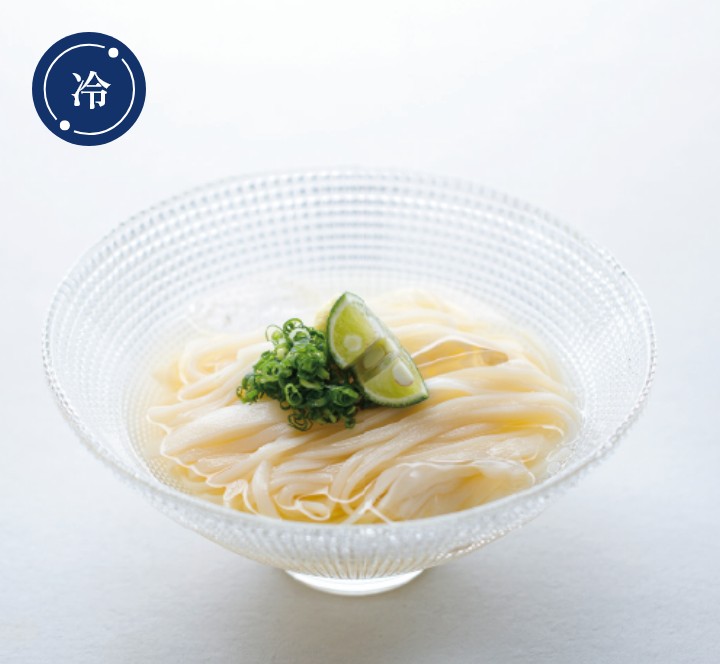
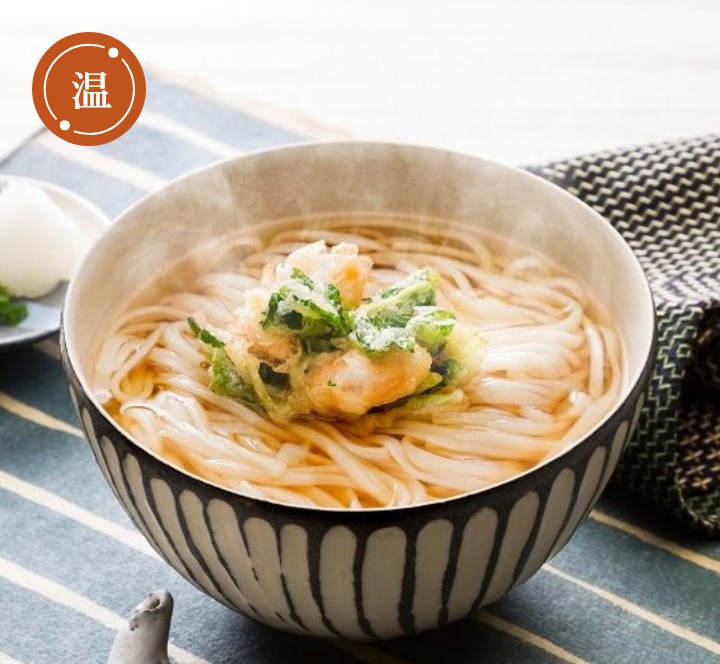
A chilled bowl highlights the noodles' smoothness, while a warm bowl offers a different way to appreciate their firmness and texture.
Thin noodles: a smooth, delicate texture
Thin noodles are one of Kaizuya's representative Himi udon varieties.
Their relatively delicate form makes the smooth texture and pleasant mouthfeel of the noodles particularly noticeable.
They can be enjoyed cold as a refreshing noodle dish or served warm in broth.
Thick noodles: enjoy the satisfying texture
For those who want to experience the texture of Himi udon more strongly, Kaizuya also offers thick noodles.
The greater thickness creates a more substantial bite and allows you to appreciate the distinctive firmness of the noodles.
They are particularly well suited to dishes where the udon itself is intended to have a strong presence.

Extra-thin noodles: another expression of Himi udon
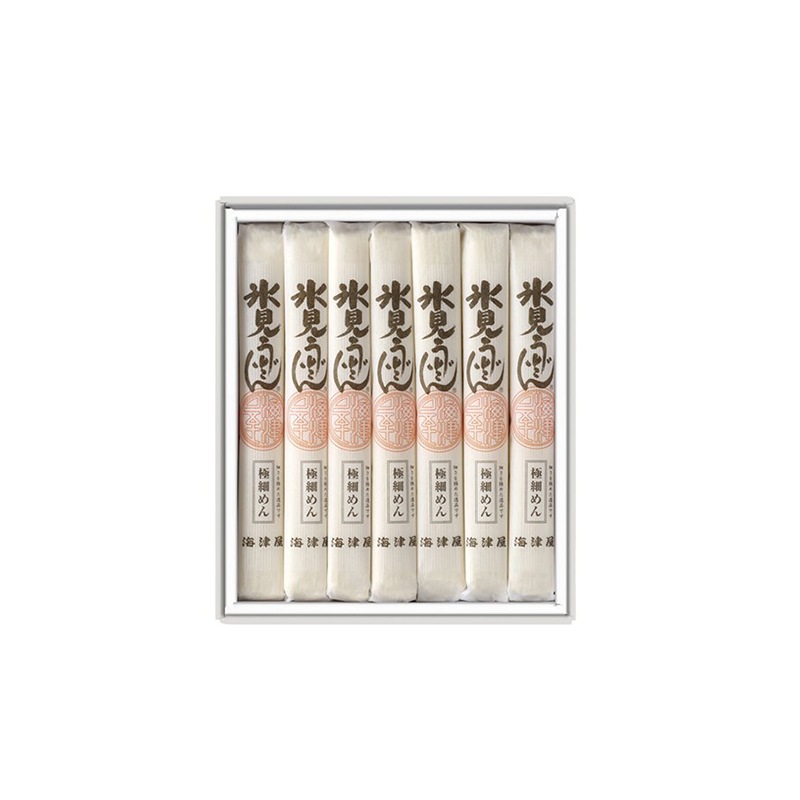
Kaizuya also produces extra-thin noodles.
By changing the thickness, the same Himi udon tradition can offer a noticeably different eating experience.
The finer noodles provide another way to enjoy the smoothness associated with Himi udon.
Mochi noodles and yomogi noodles
Kaizuya's lineup extends beyond different noodle thicknesses.
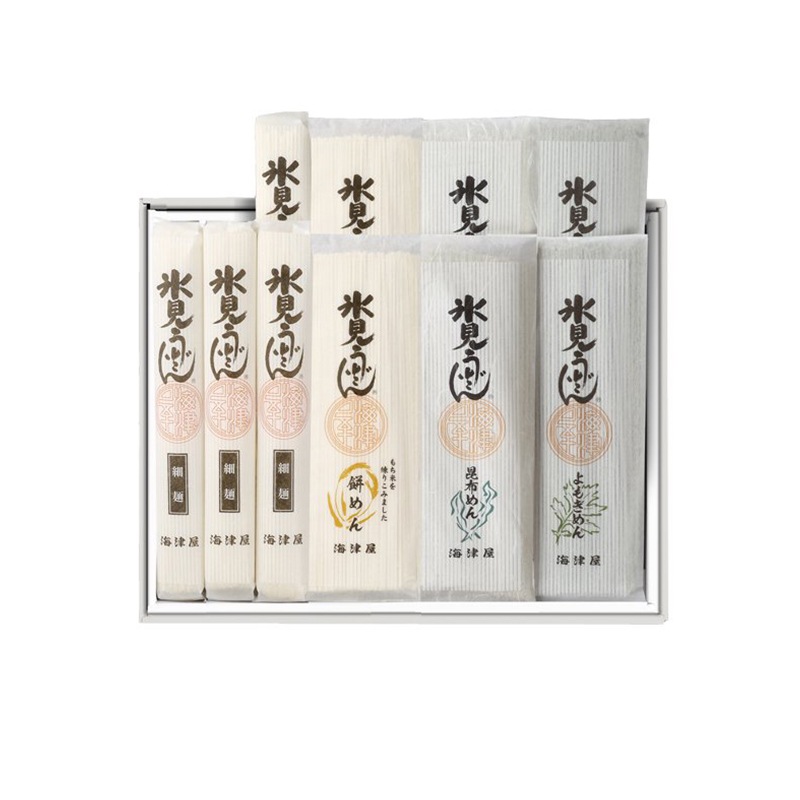
The company also offers varieties such as mochi noodles and yomogi noodles.
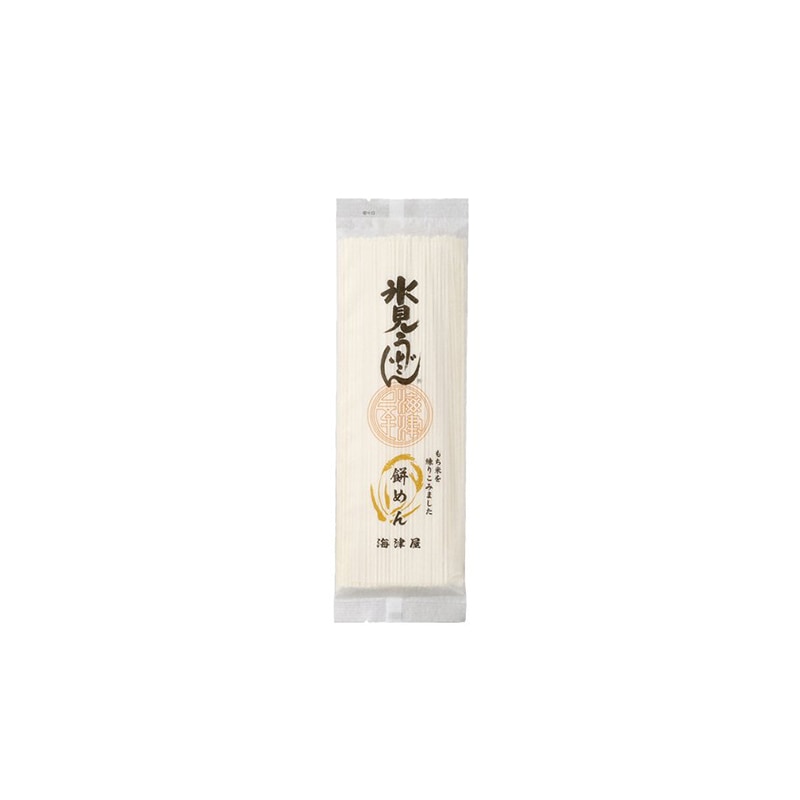
Mochi noodles are made by incorporating glutinous rice into the noodle dough, creating a softer texture with a sticky, mochi-like character.
Yomogi noodles contain mugwort leaves, adding their distinctive green color and aroma to the noodles.
Which Kaizuya Himi udon should you choose?
The best choice depends on how you want to enjoy your udon.
If you prefer a lighter, smoother experience, thin or extra-thin noodles are worth exploring.
If you enjoy a more substantial bite and want to appreciate the firmness of the noodles, thick noodles offer a different experience.
And for something beyond the standard varieties, Kaizuya's mochi and yomogi noodles provide additional ways to discover Himi udon.
Discover Kaizuya's Himi udon on Mikan
On Mikan, you can discover a selection of Himi udon made by Kaizuya.
Explore the different varieties and find the Himi udon that suits the way you like to enjoy noodles.